Posts

Showing posts with the label Nutrition

How understanding the seven ages of appetite could help us stay healthy
Image
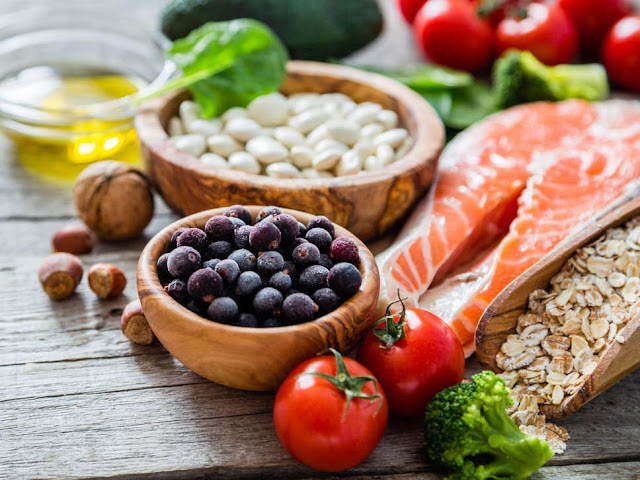
Be Healthy : Do you eat to live or live to eat? We have a complicated relationship with food, influenced by cost, availability, even peer pressure. But something we all share is appetite – our desire to eat. Increased appetite might have a physical or psychological dimension, but while hunger – our body’s way of making us desire food when it needs feeding – is a part of appetite, it is not the only factor. After all, we often eat when we’re not hungry, or may skip a meal despite pangs of hunger. Recent research has highlighted that the abundance of food cues – smells, sounds, advertising – in our environment is one of the main causes of overconsumption. Our appetite is not fixed, it changes across our lifespan as we age. But as our choice of food will be an important factor to our health and wellbeing throughout our lives, it’s important that we get into the right habits. As Shakespeare might have put it, there are seven ages of appetite, and a better understanding of thes...

86% Of People Don't Know How Much Fruit & Veg They Should Eat

Image
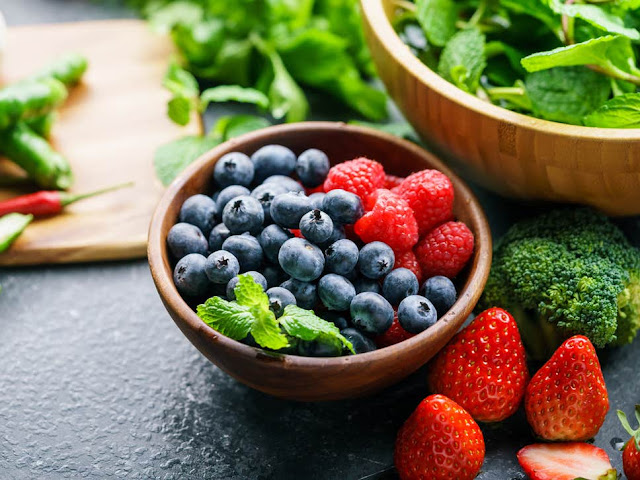
Health News : The majority of adults aren't sure how many portions of fruit and vegetables they should be eating, a new study has warned. In 2003, the five-a-day campaign, based on a recommendation by the World Health Organisation (WHO), was launched in the UK to encourage individuals to eat five portions of fruit and vegetables a day. However, despite this clear guidance, many people still aren't reaching this target, as outlined in the new Health and Food Supplements Information Service (HSIS) report State of the Nation: Dietary Trends in the UK – 20 Years On. According to the HSIS research, 86 per cent of people don't know how much fruit and vegetables they should be eating on their plates. Furthermore, only one in three adults are getting the recommended level of vitamins and minerals from their diets. The researchers based their investigation on the government's National Diet and Nutrition Survey and the Defra Family Food findings. They discovered ...

Other than junk food, here's another key factor in childhood obesity

Image
Yes, high calorie and junk food are among the leading causes of obesity; but a new study has presented yet another key reason behind obesity in children. Gut bacteria and its interactions with immune cells and metabolic organs, including fat tissue is found to play a key role in childhood obesity, according to a new study published in the journal Obesity Reviews. Not only the gut, but the mother's health, diet, exercise level, antibiotic use, among others can also pose as a risk factor in a child getting obese. "The medical community used to think that obesity was a result of consuming too many calories. However, a series of studies over the past decade has confirmed that the microbes living in our gut are not only associated with obesity but also are one of the causes," said lead author Hariom Yadav, Ph.D., assistant professor of molecular medicine at Wake Forest School of Medicine, part of Wake Forest Baptist. Obesity is increasing at a 2.3 per cent rate e...

The obesity rate is dropping among US preschoolers, study suggests

Image
Preschoolers, who are receiving government food aid, are reaching healthier body mass index and contributing to a steady decline in obesity rates, recent findings suggest. As part of a recent U.S. study, the researchers noted that according to a report by Centers for Disease Control and Prevention, obesity rates dropped to about 14 per cent in 2016 (down from 16 per cent in 2010). The results were published in the Journal of the American Medical Association, USA Today reported. The findings of the study come as a welcome result for the health experts, following an upward trend of obesity in young children during 2000 and 2010. According to the team of researchers, all racial and ethnic groups recorded a noteworthy decline in obesity. "It gives us more hope that this is a real change," said Heidi Blanck, head of the obesity prevention division at the Centers for Disease Control (CDC). Read Complete Article

Millions of heart disease, stroke deaths linked to not eating enough fruits, vegetables

Image
Inadequate fruit and vegetable consumption may account for millions of deaths from heart disease and strokes each year across the globe, a study has found. The study estimated that roughly one in seven cardiovascular deaths could be attributed to not eating enough fruit and one in 12 cardiovascular deaths could be attributed to not eating enough vegetables. Low fruit intake resulted in nearly 1.8 million cardiovascular deaths in 2010, while low vegetable intake resulted in one million deaths, researchers said. Overall, the toll of suboptimal fruit intake was almost double that of vegetables. The impacts were most acute in countries with the lowest average intakes of fruits and vegetables. "Fruits and vegetables are a modifiable component of diet that can impact preventable deaths globally," said Victoria Miller, a postdoctoral researcher at Tufts University in the US. Readmore

Green tea may cut obesity risk, other health disorders: Study

Image
Green tea may reduce the risk of obesity and a number of inflammatory biomarkers linked with poor health, a study conducted in mice suggests. Mice fed a diet of two per cent green tea extract fared far better than those that ate a diet without it, according to the study published in the Journal of Nutritional Biochemistry. The finding has prompted an upcoming study of green tea's potential benefits in people at high risk of diabetes and heart disease. The benefits seen in the study appear to stem from improved gut health, including more beneficial microbes in the intestines of the mice and less permeability in the intestinal wall -- a condition typically called "leaky gut" in people. "This study provides evidence that green tea encourages the growth of good gut bacteria, and that leads to a series of benefits that significantly lower the risk of obesity," said Richard Bruno, the study's lead author and a professor at The Ohio State Univers...

Low-calorie diet may improve cell performance

Image
Consuming low-calorie food may have a protective effect against some diseases as the number of calories a person eats directly influences the performance of various cells, researchers say. The study on mice showed that a low-calorie diet can protect the brain from neuronal cell death associated with diseases such as Alzheimer's, Parkinson's, epilepsy and cerebral vascular accident (CVA). "We are looking at how changes to the diet affect metabolism and how that ends up changing the odds of having diseases associated with aging," said co-author Alicia Kowaltowski, Professor at the University of Sao Paulo in Brazil. For the study, presented at FAPESP Week London, taking place on February 11-13, the research team divided mice into two groups. They calculated the average number of calories the group with no caloric restrictions would eat and then fed the other group 40 per cent fewer calories. Readmore

Fruits and vegetables important for mental, physical well-being: Study

Image
While it's well-established that eating fruits and vegetables can benefit physical health. A recent study suggests that it may also benefit psychological well-being. The research showed a positive association between the quantity of fruit and vegetables consumed and people's self-reported mental well-being. Specifically, the findings indicate that eating just one extra portion of fruits and vegetables a day could have an equivalent effect on mental well-being as around 8 extra days of walking a month (for at least 10 minutes at a time). Findings of the study were published in the Journal of Social Science & Medicine . "It's well-established that eating fruit and vegetables can benefit physical health. Recently, newer studies have suggested that it may also benefit psychological well-being," said Peter Howley, lead author of the study. Explaining the study, Howley said, "Our research builds on previous work in Australia and New Zealand...

Foods that can change your hair health

Image
The market is full of hair care products, but to amplify their results, it is first essential to make dietary changes to include vitamins and minerals that promote hair growth and reduce hair fall significantly, suggest experts. Arvind Poswal, Hair Expert and Hair Transplant Surgeon, Dr. A's Clinic, and Karan Gupta, Director and Men's Grooming Expert, Qraa Men, have given out some tips on foods that can boost hair health: * Eggs : The hair are build-up of protein, so it is essential that we always consume enough amounts to proteins to ensure augmented regeneration of hair. Eggs are the richest source of protein and are packed with high amounts of Biotin. The goodness instilled in eggs prevents hair loss thereby promoting the hair growth. * Carrots : This season of winter calls for us to consume ample amounts of carrots. The carrots help the scalp in producing the natural sebum oil which as this oil keeps the roots healthy. Not only this, carrots are enriched wi...

Irregular fasting can help in weight loss, boost health

Image
Budget 2019 : Are you obese and worried about your excess weight? Take heart. New research suggests that with irregular fasting and a strictly controlled diet , you can lose more weight and improve your health too. The study showed that women who fasted intermittently as well as restricted their food improved their health more than those who only restricted their diet or only fasted intermittently. Obese women who followed a diet in which they ate 70 per cent of their required energy intake and fasted intermittently lost the most weight. "Continuously restricting their diet is the main way that obese women try to tackle their weight," said lead author Amy Hutchison, from the University of Adelaide in Australia. "This study is adding to evidence that intermittent fasting, at least in the short term, may provide better outcomes than daily continuous diet restriction for health and potentially for weight loss," added Leonie Heilbronn, Associate Profe...

Exercise, healthy diet may improve cognitive skills in elders

Image
Business Standard : Just 35 minutes of walking or cycling three times a week along with a healthy diet may improve cognitive skills in older adults, a new study suggests. The study, published in the journal Neurology, examined the effects of both exercise and diet on cognitive skills. For the study, the team involved 160 persons with an average age of 65 and randomly assigned them to one of the four groups -- aerobic exercise alone; DASH diet alone; both aerobic exercise and the DASH diet; or health education, which consisted of educational phone calls once every week or two. The research team found those who exercised and consumed the Dietary Approaches to Stop Hypertension (DASH) diet that is rich in fruits and vegetables , beans, nuts, low-fat dairy products, whole grains, and lean meats, had greater improvements compared to health education controls. Participants who exercised showed significant improvements in cognitive skills when compared to those who did not ...

Higher intake of green leafy veggies essential to prevent liver disease

Image
Business Standard : Consuming a higher amount of green leafy vegetables can help reduce the risk of developing liver disease , a new study has suggested. Liver steatosis or fatty liver is a common disease that affects approximately 25 per cent of the global population. The most important causes are overweight or high alcohol consumption and there is currently no medical treatment for the disease. In a study published in the journal PNAS, researchers from Karolinska Institute showed how a larger intake of inorganic nitrate, which occurs naturally in many types of vegetable , reduces accumulation of fat in the liver. They also showed how a greater intake of inorganic nitrate can prevent the accumulation of fat in the liver. "When we supplemented with dietary nitrate to mice fed with a high-fat and sugar Western diet, we noticed a significantly lower proportion of fat in the liver," said Mattias Carlstrom, a researcher. Their results were confirmed by using two...

Vitamin C may offset effects of maternal smoking on baby

Image
Business Standard : Although smoking during pregnancy is reported to have an adverse effect on foetus health, a new study shows that regular intake of Vitamin C by smoker mom -to-be may help reduce harm done to infant's lungs after birth. The study showed that at three months of age, infants whose mothers took 500 mg of Vitamin C per day in addition to their prenatal vitamin had significantly better forced expiratory flows (FEFs) that measure how fast air can be exhaled from the lung and can detect airway obstruction. In addition, the researchers also found an association between the infant FEFs and a genetic variant some of the mothers possessed that increased the negative impact of nicotine on the babies before they were born. "Smoking during pregnancy reflects the highly addictive nature of nicotine that disproportionately affects the most vulnerable populations," said lead author Cindy T. McEvoy, Professor from the Oregon Health and Science University...

Dietary, lifestyle interventions beneficial before pregnancy

Image
Business Standard : According to a new research, dietary and lifestyle interventions are important for overweight and obese women before their pregnancy . The study was published in the journal 'The Lancet Diabetes and Endocrinology'. The researchers reported the results of a large study of birth outcomes in more than 500 overweight or obese women from three public maternity units in Adelaide, Australia. The GRoW (Metformin for Gestational Restriction of Weight in pregnant women) trial was designed to reduce risks for pregnant women who are overweight or obese . The researchers investigated the potential of the use of common diabetes medication metformin during pregnancy to reduce pregnancy weight gain and improve pregnancy outcomes. "In high-income countries, roughly 50% of women are already overweight or obese when they become pregnant. This places both the mother and her infant at risk of a range of pregnancy and birth outcomes and can also lead to ...

Just 1 hour on treadmill can boost metabolism for 2 days: Study

Image
Business Standard : A single workout session consisting of three 20-minute treadmill runs could activate neurons that are important regulators of blood glucose levels and energy balance as well as influence metabolism for up to two days, says a study over mice. The findings showed that a single bout of exercise for mice could boost the activity of energy-burning neurons and inhibit the counterpart one for up to two days and those changes can last longer with more training. "It doesn't take much exercise to alter the activity of these neurons," said Kevin Williams, a neuroscientist at University of Texas Southwestern. "The study predicts that getting out and exercising even once in a semi-intense manner can reap benefits that can last for days, in particular with respect to glucose metabolism," he added. Further, a single workout consisting of three 20-minute treadmill runs caused a decrease in appetite that lasted up to six hours. "Th...

27 Health and Nutrition Tips That Are Actually Evidence-Based

Image
Business Standard : 1. Don't Drink Sugar Calories Sugary drinks are the most fattening things you can put into your body. This is because liquid sugar calories don't get registered by the brain in the same way as calories from solid foods (1). For this reason, when you drink soda, you end up eating more total calories (2, 3). Sugary drinks are strongly associated with obesity, type 2 diabetes, heart disease and all sorts of health problems (4, 5, 6, 7). Keep in mind that fruit juices are almost as bad as soda in this regard. They contain just as much sugar, and the small amounts of antioxidants do NOT negate the harmful effects of the sugar (8). 2. Eat Nuts Despite being high in fat, nuts are incredibly nutritious and healthy. They are loaded with magnesium, vitamin E, fiber and various other nutrients (9). Studies show that nuts can help you lose weight, and may help fight type 2 diabetes and heart disease (10, 11, 12). Additionally, about 10-15% of th...