Posts

Showing posts with the label WHO

From ventilators to testing kits, IITs step up to fight Covid-19 outbreak

Image
IITs across the country have joined the fight against Covid-19 , activating their incubation centres to develop solutions that could help contain the virus. While some researchers are developing prototypes for ventilators to overcome their shortage, others have teamed up to develop testing kits. A team of innovators from IIT Kanpur’s incubator company Nocca Robotics has developed a ventilator prototype, currently in the testing phase. “Our next step is to test the prototype and get it validated with the doctors to fine-tune the design, which will take at least two more weeks. Once the testing is over, we will begin mass-scale manufacturing,” said Abhay Karandikar, director of IIT Kanpur. Given that almost all components are locally sourced, the price will be much less compared to imported ones that cost over ~4 lakh, he added. IIT Guwahati, which is set to get a Technology Innovation Hub at the campus, has developed a mask in line with World Health Organization guideli...

Coronavirus: WhatsApp launches information hub in tie-up with WHO, UNDP

Image
Facebook-owned messaging app WhatsApp said Wednesday that it would launch the WhatsApp  Coronavirus  Information Hub globally, in partnership with the World Health Organization, United Nations Children's Fund, and United Nations Development Programme, and a $1 million donation to the Poynter Institute's International Fact-Checking Network (IFCN). The WhatsApp  Coronavirus  Information Hub will be available at whatsapp.com/ coronavirus  and provide simple, actionable guidance for health workers, educators, community leaders, nonprofits, local governments and local businesses that rely on WhatsApp to communicate. The site also offers general tips and resources for users around the world to reduce the spread of rumours and connect with accurate health information. “We know that our users are reaching out on WhatsApp more than ever at this time of crisis, whether it’s to friends and loved ones, doctors to patients, or teachers to students. We wanted to ...

Coronavirus can be controlled: Over 68,000 have recovered so far globally

Image
The Coronavirus outbreak has taken the world by a storm, with governments globally scrambling to control the outbreak, which has so far infected over 125,000 people and killed more than 4,500 across 114 countries. Even as the virus forces countries to quarantine citizens, lock down borders and suspend travels, the number of recoveries across the world so far has been 68,000, according to data collated by the Johns Hopkins University & Medicine. The data show that over 50,000 people have recovered in China’s Hubei province alone. Hubei has been the most affected by the outbreak. Iran, also affected badly and facing difficulties owing to several US sanctions and poor medical facilities, has seen over 2,900 recoveries so far. The country has also reported over 400 deaths, the most after China and Italy. While over 90 per cent of the cases are confined to four countries – China, South Korea, Italy and Iran – the first two have lately seen a significant drop in new Covid-19 ca...

Google, Apple crack down on fake coronavirus apps to fight misinformation

Image
Google and Apple have begun taking action on fake mischievous apps to fight new coronavirus-related misinformation on their app stores. Apple is removing all coronavirus-related mobile software not from recognized health organizations or the government, reports CNBC. Google, on the other hand, has stopped throwing results if someone search about coronavirus on its Play Store. Some of these apps used public data from reliable sources like the World Health Organization (WHO) to create dashboards or live maps. "Some developers asked not to be named to avoid further complications with Apple's review process," the report mentioned. On the Apple App Store, the top result for "COVID 19" is a "virus tracker" app from a developer called Healthlynked with WHO figures and maps charting where confirmed cases have been. Read Complete Article

Can coronavirus spread through cough and sex? Here's all you need to know

Image
Coronavirus is highly contagious and is spreading at a lightning speed around the world. The virus has already infected people in close to 70 countries. According to the World Health Organisation, there are 92,819 confirmed cases and 3,164 deaths reported globally. In India, total number of confirmed cases rose to six on Tuesday after an Italian tourist in Jaipur tested positive. So what is coronavirus and how can it be transmitted? Here is what you need to know: What is coronavirus? Coronaviruses are a large family of viruses that cause illness ranging from the common cold to more severe diseases such as Middle East Respiratory Syndrome (MERS-CoV). A novel coronavirus (nCoV) is a new strain that has not been previously identified in humans. The present scare is because of COVID-19, an infectious diseases caused by the most recently discovered coronavirus. The outbreak began in Wuhan in China in December, 2019. Read Complete Article

How heart rate and sleep data from Fitbits can help predict flu outbreaks

Image
The Fitbit on your wrist not only counts your steps and minutes of sleep, it can also help tell if you’re coming down with the flu — and warn health authorities to get ready to help. A study in the United States has found that heart rate and sleep data from wearable fitness tracker watches can predict and alert public health officials to real-time outbreaks of flu more accurately than current surveillance methods. The study used data from more than 47,000 Fitbit users in five US states. The results, published in The Lancet Digital Health journal, showed that by using Fitbit data, state-wide predictions of flu outbreaks were improved and accelerated. The World Health Organization estimates that as many as 6,50,000 people worldwide die of respiratory diseases linked to seasonal flu each year. Traditional surveillance reporting takes up to three weeks, meaning response measures — such as deploying vaccines or anti-virals and advising patients to stay at home — ca...

In a first, WHO approves medicine to make breast cancer treatment cheaper

Image
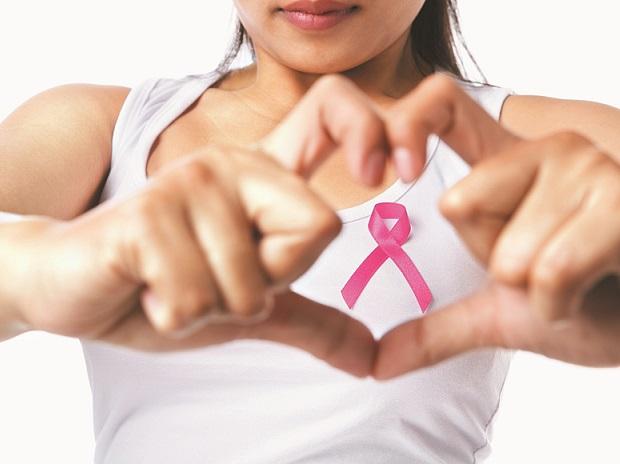
The World Health Organization (WHO) announced Wednesday that it had for the first time approved a "biosimilar" medicine -- one derived from living sources rather than chemicals -- to make breast cancer treatment affordable to women globally. The trastuzumab drug has shown "high efficacy" in curing early stage breast cancer and in some cases more advanced forms of the disease, the WHO said in a statement. But the annual cost of the original drug is an average (of) $20,000, "a price that puts it out of reach of many women and healthcare systems in most countries," the statement added. However, the biosimilar version of trastuzumab is generally 65 per cent cheaper than the original. "With this WHO listing, and more products expected in the prequalification pipeline, prices should decrease even further," the WHO said. Read Complete Article

More than 1 million infected by sexually transmitted ailments daily: WHO

Image
More than 1 million people worldwide are infected daily by sexually transmitted infections chlamydia, gonorrhea, trichomoniasis and syphilis, according to World Health Organization estimates. “This is a wake-up call for a concerted effort to ensure everyone, everywhere can access the services they need to prevent and treat these debilitating diseases,” WHO official Dr. Peter Salama said. The study found more than 376 million new cases of the four infections in 2016. By infection, there were 127 million new cases of chlamydia, 87 million of gonorrhoea, 6.3 million of syphilis and 156 million of trichomoniasis. More Than a Million Cases Every Day 1 in 25 people globally have at least one of these sexually transmitted infections An estimated 1 in 25 carry at least one of the infections, which left untreated can cause neurological and cardiovascular disease, infertility, ectopic pregnancy, stillbirths and an increased risk of HIV. Some people experience multiple infections at th...

WHO says maximum one-hour screen time per day for kids under 5: Key points

Image
Young children should not spend more than an hour a day watching television and videos or playing computer games and infants less than one year old should not be exposed to electronic screens at all, the World Health Organization (WHO) said on Wednesday. Limiting, and in some cases eliminating, screen time for children under the age of 5 will result in healthier adults, said WHO, adding that quality sedentary time spent in interactive non-screen-based activities with a caregiver, such as reading, storytelling, singing and puzzles, is very important for child development. Taking away iPads and other electronic devices is only part of the solution. Children under 5 should also get more exercise and sleep in order to develop better habits, said WHO. Failure to meet current physical activity recommendations is responsible for more than 5 million deaths globally each year across all age groups. Physically active and good sleep key for kids under 5 The United Nations agency, issui...